In every genuine act of healing—whether through therapy, meditation, or prayer—there exists a sacred space. This space is not only a physical environment but an energetic and spiritual container where transformation occurs. In Vedic and transpersonal counselling, the creation of sacred space is an essential foundation for any therapeutic work. It represents the bridge between the seen and unseen, between the human and the Divine.
As Dr. David Frawley (Pandit Vamadeva Shastri) explains in Vedic Counselling, “Healing begins by invoking a sacred atmosphere in which Divine presence can descend, and our inner awareness can rise.” This sacred atmosphere is both outer and inner—it is cultivated in the therapy room, in the natural world, and in the heart of both client and counsellor.
The Vedic Understanding of Sacred Space
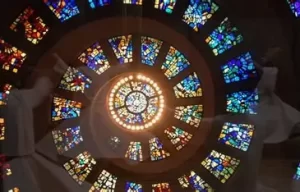 In the Vedic tradition, space (ākāśa) is the first and subtlest of the five elements. It is not an empty void but the vibrant field in which all existence unfolds—the womb of creation. Before any ritual or act of healing begins, the Vedas instruct that the space be purified and consecrated, often by invoking Agni, the fire of awareness, and aligning oneself with the divine order.
This act of purification has deep psychological significance. In therapy, we also begin by creating ākāśa—a clear, receptive field where awareness can move freely. The counsellor’s presence, breath, and intention form this sacred container. Through calm attention, ethical holding, and heartfelt presence, the therapeutic space becomes a modern-day temple of awareness where truth can emerge safely.
The Inner Temple
Vedic philosophy reminds us that the ultimate sacred space lies within. The Upanishads describe the heart (Hridaya) as the place where “the entire universe resides.” When the therapist approaches their work with devotion (bhakti), compassion (karuṇā), and clarity (sattva), they awaken that inner sanctum. In this state, healing ceases to be a mere technique—it becomes a form of seva, a sacred service performed with reverence and surrender.
In this space, the counsellor becomes both witness and vessel. The dialogue transcend s analysis and opens to grace. As Frawley teaches, “It is not the intellect alone that heals, but the heart illuminated by devotion.”
The Sacred Space of Nature
Beyond the therapy room, the most ancient form of sacred space has always been nature itself. Indigenous and shamanic traditions across the world recognise that true healing cannot occur apart from the natural world. For the Native American healer, the circle of stones represents the universe in balance. For the Andean shaman, the mountain (apu) is a living being, a teacher. In Aboriginal spirituality, the land itself is the Dreaming—alive, conscious, and responsive.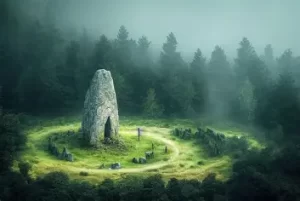
Vedic culture, too, holds a profound reverence for nature as divine manifestation. Every river is a goddess, every mountain a deity, every tree a form of life worthy of respect. In Rig Veda (10.63.9), the Earth is praised as “Mata Bhūmi Putro Aham Pṛthivyāḥ” — “Earth is my mother, and I am her child.”
This verse carries a profound therapeutic truth: our healing is inseparable from our relationship with the living world.
When we sit under a tree, walk by a river, or simply breathe consciously with the rhythms of the Earth, we are re-entering that sacred space. Nature becomes both counsellor and mirror, showing us the patterns of balance, impermanence, and renewal that exist within us.
Sacred Space as a Therapeutic Practice
In transpersonal and Vedic counselling, the sacred space is not only a backdrop—it is an active participant in the healing process. The therapist’s responsibility is to maintain a field of stillness, trust, and reverence where the client can safely encounter their own soul.
This field, or sattvic atmosphere, supports the emergence of unconscious material, deep emotions, and transpersonal insights.
Creating sacred space may involve simple but intentional acts:
- Lighting a candle or invoking a mantra before sessions.
- Offering silence before and after deep sharing.
- Integrating symbols of the elements—earth, water, fire, air, and space—to harmonise energy.
- Encouraging clients to connect with natural environments between sessions.
Through these practices, therapy becomes not only clinical but spiritual—an act of alignment with dharma, the universal order that sustains life.
The Sacred Space as a Bridge of Light
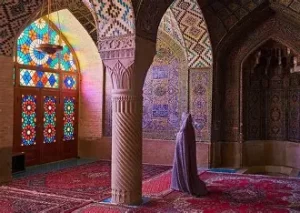 In every healing journey, there is a moment of descent—a passage through darkness that mystics have called “the long night of the soul.” The sacred space, held by the presence of the therapist and the grace of the Divine, becomes the light in that darkness. It is the friendly hand that accompanies the soul until it can find its way back to wholeness.
In this sense, every session is a sacred ritual. Every word, a mantra. Every silence, a prayer. When the sacred is honoured, healing unfolds naturally—because the Divine has been invited to dwell among us.
Hari Om Tat Sat.