The Science, the Healing, and the Importance of Integration
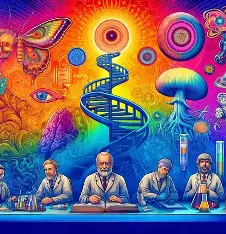 Over the past two decades, psychedelic research has undergone a remarkable scientific revival. Once viewed almost exclusively through the lens of recreational drug use and legal prohibition, compounds such as psilocybin, MDMA, ketamine, and LSD are now being rigorously investigated within some of the world's leading universities and clinical research centres. This resurgence has generated growing interest in their potential to support the treatment of depression, anxiety, post-traumatic stress disorder (PTSD), addiction, and existential distress.
While the results are encouraging, the science also makes one message abundantly clear: psychedelics are not a stand-alone treatment or a "magic cure." Their therapeutic potential lies within carefully designed clinical frameworks that combine preparation, psychological support, supervised administration, and, perhaps most importantly, integration.
Research suggests that psychedelic-assisted psychotherapy may temporarily increase psychological flexibility, reduce rigid patterns of thinking, and facilitate emotional processing. Brain imaging studies indicate that substances such as psilocybin can reduce activity within the brain's Default Mode Network (DMN), a network associated with self-referential thinking and rumination. This temporary reduction in habitual brain activity may allow individuals to experience new perspectives on longstanding emotional difficulties and traumatic memories.
Clinical trials have demonstrated promising outcomes for treatment-resistant depression. Participants frequently report sustained improvements in mood, emotional openness, and quality of life when psychedelic experiences are combined with structured psychotherapy. Similarly, MDMA-assisted psychotherapy has shown significant effectiveness in treating PTSD, enabling many participants to revisit traumatic memories with reduced fear while maintaining emotional engagement. Rather than suppressing difficult experiences, these approaches appear to facilitate the processing and integration of previously overwhelming emotions.
The field has also expanded into research involving anxiety associated with life-limiting illness, obsessive-compulsive disorder, substance dependence, and end-of-life care. Although further long-term research is still required, the accumulating evidence suggests that psychedelic-assisted therapy may represent an important development within contemporary mental healthcare.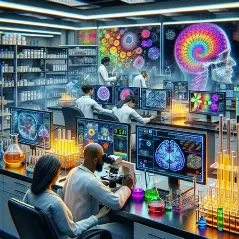
The United Kingdom has become one of the leading contributors to this scientific renaissance. Institutions such as Imperial College London's Centre for Psychedelic Research and King's College London have published influential studies exploring the effects of psychedelics on consciousness, depression, brain connectivity, and emotional processing. These studies are conducted under strict ethical governance, receiving approval from research ethics committees and regulatory oversight from bodies such as the Medicines and Healthcare products Regulatory Agency (MHRA). Clinical trials must comply with Good Clinical Practice standards, ensuring participant safety, informed consent, rigorous monitoring, and transparent reporting of outcomes.
This ethical framework is particularly important because psychedelic experiences can be psychologically profound. During sessions, individuals may encounter deeply emotional memories, unresolved trauma, existential questions, or powerful spiritual experiences. Without appropriate preparation and professional support, these experiences can become confusing or overwhelming rather than therapeutic.
This is where the process of integration becomes essential.
Integration refers to the ongoing psychological work that follows a psychedelic experience. It involves making sense of insights, processing emotional material, and translating moments of clarity into meaningful and sustainable changes in everyday life. Without integration, even the most transformative experiences may gradually lose their therapeutic value.
 Research increasingly highlights that lasting improvement depends less on the psychedelic experience itself than on what happens afterwards. Individuals often benefit from reflecting on their experiences within a safe therapeutic relationship, exploring changes in beliefs, behaviours, relationships, values, and life direction. Healing is not found solely within the experience but in the willingness to embody its lessons over time.
Holistic psychotherapy offers an ideal framework for this process. Rather than focusing exclusively on symptom reduction, holistic approaches consider the emotional, cognitive, relational, physical, and spiritual dimensions of wellbeing. This broader perspective acknowledges that profound experiences often invite questions of identity, purpose, connection, and meaning alongside psychological healing.
Similarly, life coaching can provide valuable support once initial therapeutic work has taken place. While psychotherapy may help individuals understand and process emotional experiences, coaching can assist in translating insights into practical action. Establishing healthier habits, strengthening relationships, aligning daily choices with personal values, and maintaining accountability all contribute to sustaining positive change. Together, psychotherapy and coaching create a bridge between insight and lived transformation.
It is equally important to recognise that psychedelic-assisted therapy is not suitable for everyone. Careful screening is essential, particularly for individuals with certain psychiatric conditions, medical vulnerabilities, or other contraindications. Current research continues to emphasise that these interventions should only occur within legally regulated clinical settings under appropriately trained professionals.
The renewed scientific interest in psychedelics reflects a broader shift within mental healthcare towards approaches that recognise the complexity of human healing. Alongside advances in neuroscience, trauma-informed care, mindfulness, and holistic psychotherapy, psychedelic-assisted therapy offers a promising avenue for some individuals experiencing significant psychological distress.

Ultimately, the emerging evidence reminds us that healing is rarely the result of a single intervention. It is a process that unfolds through preparation, insight, integration, supportive relationships, and the daily commitment to living differently. Psychedelic research may be expanding our understanding of the mind, but it also reinforces an enduring therapeutic truth: lasting transformation occurs not simply through powerful experiences, but through the compassionate work of integrating them into a meaningful life.
Hari Om Tat Sat