In recent decades, psychology has increasingly recognised that human wellbeing extends beyond cognition, behaviour, and emotion. The growing fields of positive psychology, neuroscience, trauma studies, and transpersonal psychotherapy have all contributed to a broader understanding of what it means to heal and thrive. One of the most influential contributions to this evolving conversation is The Awakened Brain by Lisa Miller, a psychologist and neuroscientist whose research explores the relationship between spirituality, brain health, and psychological resilience.
Miller's work challenges the longstanding assumption that spirituality belongs solely within the domains of religion or personal belief. Instead, she presents compelling evidence suggesting that human beings possess an innate capacity for spiritual awareness—a capacity that can serve as a powerful protective factor against mental illness and a catalyst for healing, meaning, and growth.

At the heart of The Awakened Brain is the concept that spirituality is not merely a cultural construct but a fundamental dimension of human experience. Through decades of research, Miller and her colleagues have found that individuals who maintain a personal spiritual life—whether expressed through religious faith, meditation, prayer, connection to nature, or a sense of relationship with something greater than themselves—demonstrate significantly lower rates of depression, substance misuse, and psychological distress.
Perhaps one of the most striking findings highlighted in the book is that a strong personal spirituality appears to reduce the risk of major depression, particularly during adolescence and early adulthood. This is significant given the increasing prevalence of anxiety, depression, and loneliness across many societies. According to Miller's research, spirituality offers not only comfort during difficult times but also a framework through which individuals can understand suffering, cultivate hope, and develop a deeper sense of purpose.
These findings align closely with the emergence of transpersonal psychotherapy, an approach that seeks to integrate psychological healing with spiritual development. Unlike traditional psychological models that focus primarily on symptoms, behaviours, or pathology, transpersonal psychotherapy recognises the spiritual dimension of human experience as an essential aspect of wellbeing. It explores questions of meaning, purpose, connection, transcendence, and personal transformation alongside emotional and psychological healing.

Historically, mainstream psychology often regarded spiritual experiences with suspicion, sometimes interpreting them as signs of pathology or irrational thinking. Today, however, a growing body of research suggests the opposite. Neuroscientific studies have identified measurable differences in brain activity associated with spiritual practices such as meditation, contemplative prayer, gratitude, and compassion-based exercises. These practices appear to influence neural pathways related to emotional regulation, stress response, empathy, and self-awareness.
Research within the fields of trauma and neuroscience has further demonstrated that spiritual practices can play a valuable role in recovery from psychological adversity. Trauma often disrupts an individual's sense of safety, trust, identity, and connection. Survivors frequently describe feeling disconnected from themselves, others, and the world around them. Spirituality can provide a pathway towards rebuilding these connections by fostering meaning, hope, belonging, and a sense of relationship with something larger than the traumatic experience itself.
Importantly, spirituality should not be understood as a substitute for psychological treatment or medical intervention. Rather, it functions as a complementary dimension of healing. For many individuals, integrating spiritual resources alongside evidence-based therapeutic approaches creates a more holistic framework for recovery. This integration is increasingly reflected in trauma-informed care, mindfulness-based interventions, and contemporary psychotherapeutic practices that acknowledge the importance of existential and spiritual concerns.
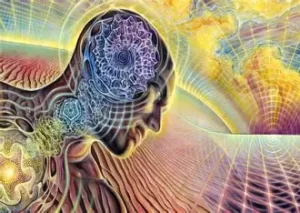
The relevance of Miller's work extends beyond clinical settings. In a society often characterised by increasing isolation, uncertainty, and rapid change, many people are searching for deeper sources of meaning and connection. The Awakened Brain suggests that this search is not simply a cultural trend but a reflection of an inherent human capacity. Spiritual awareness, according to Miller, is not reserved for a select few; it is a natural aspect of being human that can be cultivated and strengthened throughout life.
For practitioners working within transpersonal psychotherapy and holistic mental health approaches, this research offers important validation. It supports the view that healing involves more than symptom reduction. It involves helping individuals reconnect with meaning, purpose, values, and the deeper dimensions of their experience.
As psychology continues to evolve, the integration of spirituality and science may represent one of the most significant developments in understanding human wellbeing. The Awakened Brain invites us to reconsider the relationship between mental health and spirituality, not as separate domains, but as interconnected aspects of a flourishing life. In doing so, it offers a hopeful vision of healing—one that honours both the complexity of the mind and the profound depth of the human spirit.
Hari Om Tat Sat