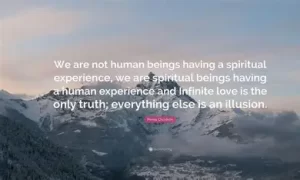
Over the past few years, my studies with the American Institute of Vedic Studies, under the guidance of Dr. David Frawley (Pandit Vamadeva Shastri), have profoundly shaped both my personal spiritual journey and my professional understanding of healing. What began as a desire to deepen my knowledge of Yoga gradually expanded into the interconnected study of Vedanta, Ayurveda, Jyotisha (Vedic Astrology), and Vastu Shastra. Together, these disciplines form a comprehensive system of knowledge that has guided human flourishing for thousands of years.
One of the greatest strengths of the Vedic tradition is that it never separates the individual into isolated parts. Rather than viewing the mind, body, emotions, and spirit as independent systems, it understands them as expressions of a single, interconnected reality. This holistic vision offers a refreshing perspective in a world where psychological, physical, and spiritual concerns are often addressed separately.
As a psychotherapist, I have found that this ancient framework provides remarkable depth when supporting clients seeking not only symptom relief, but greater meaning, resilience, and self-understanding.
Healing Beyond Symptom Management
Modern psychotherapy has developed powerful approaches for understanding trauma, emotional regulation, attachment, and cognitive patterns. These have immense value and continue to form an essential part of therapeutic practice. However, many clients eventually reach a point where they begin asking deeper questions:
- Who am I beyond my thoughts?
- Why do I continue repeating certain patterns?
- How can I find lasting inner peace rather than temporary relief?
These questions move beyond pathology and into philosophy.
The Vedic tradition has contemplated these questions for millennia. Rather than focusing solely on reducing suffering, it seeks to understand the nature of consciousness itself and the causes of human dissatisfaction. This perspective is beautifully expressed throughout the Upanishads and the Bhagavad Gita, where the human journey is described not merely as healing psychological wounds, but as remembering our essential nature.
This is not an abstract philosophy reserved for scholars. It has practical implications for everyday wellbeing.
Yoga as a Complete Science of Living
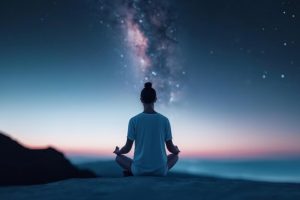 In the West, yoga is often associated primarily with physical postures. Within the Vedic tradition, however, yoga represents a complete science of self-transformation.
The classical paths of Karma Yoga (selfless action), Bhakti Yoga (devotion), Jnana Yoga (self-inquiry), and Raja Yoga (meditation) each address different aspects of human development while ultimately leading towards greater clarity and inner freedom.
For psychotherapy, these teachings provide practical ways of cultivating emotional resilience, self-awareness, compassion, discipline, and purpose. Practices such as mantra meditation, breath regulation, ethical living, and mindful observation support nervous system regulation while encouraging a healthier relationship with one's thoughts and emotions.
Rather than attempting to eliminate difficult experiences, yoga teaches us how to relate to them with greater awareness.
Ayurveda: Understanding the Individual
Ayurveda complements psychotherapy by recognising that every individual possesses a unique constitutional nature (Prakriti). Emotional tendencies, stress responses, energy levels, sleep, digestion, and behaviour are all understood within this personalised framework.
Rather than applying identical interventions to every client, Ayurveda reminds us that healing is individual. What restores balance for one person may not benefit another.
Understanding the qualities (gunas), biological constitutions (doshas), daily rhythms, nutrition, and lifestyle allows clients to appreciate how their emotional wellbeing is influenced by the body just as much as by the mind.
This integration encourages sustainable wellbeing rather than simply managing symptoms.
Vedanta and the Nature of Self
 Among the most transformative areas of study has been Vedanta.
Vedanta asks perhaps the deepest psychological question of all:
Who is the one experiencing these thoughts?
Rather than identifying completely with emotions or mental activity, Vedanta invites us to recognise awareness itself as our deepest identity.
This shift has profound therapeutic implications.
Clients often become trapped in narratives that define them by past experiences, diagnoses, or limiting beliefs. Vedantic inquiry gently loosens this identification, creating space for greater freedom, acceptance, and self-compassion.
It does not dismiss emotional pain; instead, it places suffering within a broader context of human consciousness.
Jyotisha and Vastu: Supporting Self-Understanding
Two additional areas of study have expanded this holistic perspective.
Jyotisha, often translated as Vedic Astrology, is traditionally regarded as a sacred science of timing and self-understanding. Rather than predicting an unchangeable future, it offers insight into psychological tendencies, life cycles, strengths, and areas for growth.
Similarly, Vastu Shastra explores the relationship between human wellbeing and our physical environment. It recognises that the spaces we inhabit influence our mental clarity, emotional stability, and daily habits.
While neither discipline replaces psychotherapy, both encourage deeper reflection and greater alignment with natural principles.
Ancient Wisdom for Modern Lives
Perhaps what has impressed me most throughout these studies is the extraordinary continuity of this tradition.
These teachings have been preserved through an unbroken lineage for thousands of years—not because they resisted change, but because they continually proved relevant to the human condition.
The Vedas, Upanishads, Bhagavad Gita, Yoga Sutras, and Ayurvedic texts remain profoundly applicable today because they address timeless questions of suffering, purpose, ethics, relationships, and consciousness.
For clients who follow the Hindu (Sanatana Dharma) faith, these teachings often provide familiar spiritual foundations that can naturally support therapeutic work. Therapy becomes not separate from their beliefs, but harmonious with them.
Equally, for those who do not identify with the tradition but are drawn to yoga, meditation, mindfulness, or Ayurveda, many of these principles can be explored in a universal and accessible way. Concepts such as self-awareness, compassion, disciplined practice, emotional balance, and living in harmony with nature transcend cultural boundaries.
Towards Wholeness
My studies with Dr. David Frawley have reinforced an understanding that healing is about far more than the absence of illness.
True wellbeing emerges when body, mind, behaviour, relationships, and spiritual understanding begin to align.
Psychotherapy offers powerful methods for understanding emotional experience. The Vedic sciences enrich this work by providing a broader map of human potential—one that honours both psychological healing and spiritual growth.
Together, these approaches remind us that beneath our changing thoughts, emotions, and life circumstances exists a deeper dimension of awareness that remains whole.
It is this movement towards wholeness—not perfection—that lies at the heart of both authentic psychotherapy and the timeless wisdom of the Vedic tradition.
Hari Om Tat Sat